
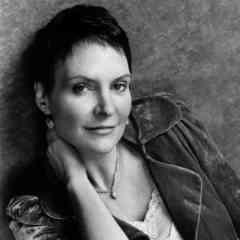

There is a stage you reach, Deagle thinks, a time somewhere in early middle age, when your past ceases to be about yourself. Your connection to your former life is like a dream or delirium, and that person who you once were is merely a fond acquaintance, or a beloved character from a storybook. This is how memory becomes nostalgia. They are two very different things - the same way that a person is different from a photograph of a person.
I think that the way that I write stories is by instinct. You have some basic ideas - a character, or an image, or a situation that sounds compelling - and then you just feel your way around until you find the edges of your story. It's like going into a dark room... you stumble around until you find the walls and then inch your way to the light switch.
I start with an image, then I go from the image toward exploring the situation. Then I write a scene, and from the scene I find the character, from the character I find the larger plot. It's like deductive reasoning - I start with the smaller stuff and work backward.
Identity issues are hardwired into the way I think about character - it's almost as if I can't get away from them even if I want to.
I knew I wanted to play around with genre-esque imagery, and the identity theft stuff came in the middle, when I was figuring out how the characters were connected to those images.
I don't think anybody deals well with tragedy or grief, but maybe my characters are particularly bad at it. Which is why I love them.
I have long admired Caroline Leavitt's probing insight into people, her wit and compassion, her ability to find humor in dark situations, and conversely, her tenderness towards characters.
Follow AzQuotes on Facebook, Twitter and Google+. Every day we present the best quotes! Improve yourself, find your inspiration, share with friends
or simply: