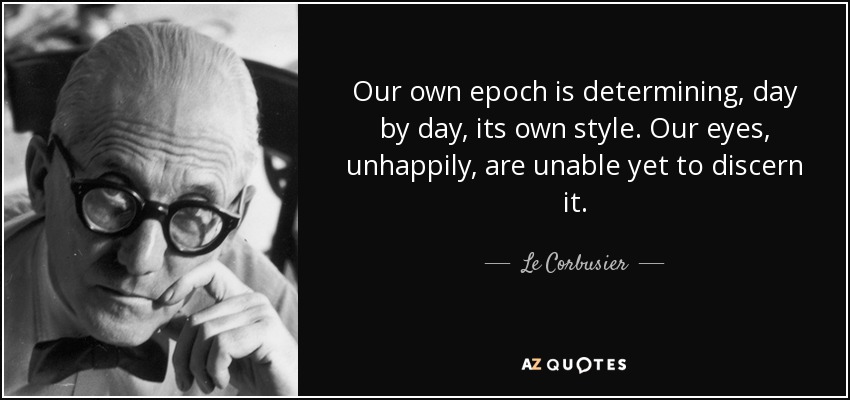
Our own epoch is determining, day by day, its own style. Our eyes, unhappily, are unable yet to discern it.
What makes man most unhappy is to be deprived not of that which he had, but of that which he did not have, and did not really know.
What a person wills and not what they know determines their worth or unworth, power or impotence, happiness or unhappiness.
So what is happiness? I am sure this question will be asked through the ages. And I doubt there is one answer for all people. Like heaven and hell, one person's happiness can be another person's unhappiness, which is why I'm not attempting to tell you what to do to find your happiness. I have enough trouble finding and hanging onto my own true happiness.
The unhappiness of people is due to their ignorance of nature.
So much of unhappiness, it seems to me, is due to nerves; and bad nerves are the result of having nothing to do, or doing a thing badly, unsuccessfully or incompetently. Of all the unhappy people in the world, the unhappiest are those who have not found something they want to do. True happiness comes to those who do their work well, followed by a refreshing period of rest. True happiness comes from the right amount of work for the day.
I generally find that comparison is the fast track to unhappiness. No one ever compares themselves to someone else and comes out even. Nine times out of ten, we compare ourselves to people who are somehow better than us and end up feeling more inadequate.
Mental tensions, frustrations, insecurity, aimlessness are among the most damaging stressors, and psychosomatic studies have shown how often they cause migraine headache, peptic ulcers, heart attacks, hypertension, mental disease, suicide, or just hopeless unhappiness.
In all of my looking at happiness, one thing I noticed right away is that the opposite of happiness isn't unhappiness or even depression, it's anxiety. It is something that can constantly block our happiness, or our chance to reach that sort of meditative state in our work or our home lives.
Friends have suggested that I am the least qualified person to talk about happiness, because I am often down, and sometimes profoundly depressed. But I think that's where my qualification comes from. Because to know happiness, it helps to know unhappiness.
I don't want to get hung up on what 'people,' that nebulous mass, think about me. That's the way to unhappiness, I think.
When you're not involved, other people's unhappiness seems to be about the funniest damn thing on earth because you think you can solve it, that you are God, that you are above this, and that their unhappiness is just such useless toil and agony. If it's you, it ceases to be a comedy.
God has commanded Time to console the afflicted.
Examine your experience of the incarnation so far and realistically add up the moments of happiness and unhappiness and you tell me, oh somewhat vaguely nobly born, you tell me, what has it been like for you?
The only unhappiness is a life of boredom.
Happiness is a specific. Misery is a generalization. People usually know exactly why they are happy. They very rarely know why they are miserable.
It is almost always the unhappiness of a victorious disputant to destroy his own authority by claiming too many consequences, or diffusing his proposition to an indefensible extent.
The belief that unhappiness is selfless and happiness is selfish is misguided. It's more selfless to act happy. It takes energy, generosity, and discipline to be unfailingly lighthearted.
Every profound dissatisfaction is of a religious nature: our failures derive from our incapacity to conceive of paradise and to aspire to it, as our discomforts from the fragility of our relations with the absolute.
When a mother quarrels with a daughter, she has a double dose of unhappiness-hers from the conflict, and empathy with her daughter's from the conflict with her. Throughout her life a mother retains this special need to maintain a good relationship with her daughter.
The life even of a just man is a round of petty frauds; that of a knave a series of greater. We degrade life by our follies and vices, and then complain that the unhappiness which is only their accompaniment is inherent in the constitution of things.
There are so many groups making so much money in the medical care system that any major reorganization is going to make someone unhappy or anxious at the least, ... I don't know how you do it.
Folly is often more cruel in the consequences than malice can be in the intent.
When life is unhappy it is hard to endure, when it is happy it is terrible to think of it ending. Both amount to the same thing in the end.
Happiness is a state of which you are unconscious. The moment you are aware that you are happy, you cease to be happy.
Follow AzQuotes on Facebook, Twitter and Google+. Every day we present the best quotes! Improve yourself, find your inspiration, share with friends
or simply: