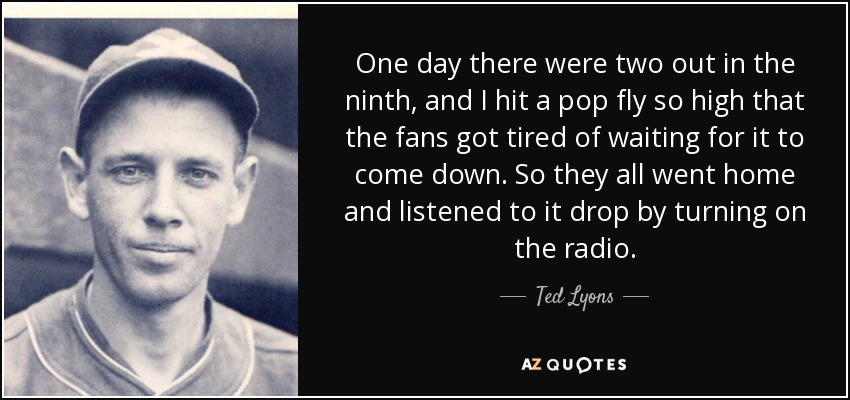
One day there were two out in the ninth, and I hit a pop fly so high that the fans got tired of waiting for it to come down. So they all went home and listened to it drop by turning on the radio.
It started so early, it all runs together. But what made a huge impact on me was when I went to Europe at 15 or 16 years old. All I knew before that was music on the radio and TV. When I went over there I realized there are all different levels of music. There are people who do blues, jazz, classical, working in film, TV and all kinds of places. You might not see them on MTV but there are lots of needs and uses and opportunities for all kinds of music.
For starters, I should just tell you that The Band was always my favorite band from the first moment that I heard the first note of "The Weight" on WNEW radio. It was when I was eight years old and Music From Big Pink came out. They were my favorite band always. They had a profound influence on me and on my becoming a musician.
When we started out we got a lot of positive press around the single 'Step Into My World', and a lot of Radio play. The single did really well, so we were in the spotlight straight away. I obviously had my history with Ride, but I didn't want to talk about that, so all the interviews centred around how I'd had these auditions and found the band members that way. I think people felt like that was not 'for real' enough or something.
I started playing guitar at the age of 8 or 9 years. Very early, and I was like already into pop music and was just trying to copy what I heard on the radio. And at a very early age I started experimenting with old tape recorders from my parents. I was 11 or 12 at that time and then when I was like 14 or 15 I had a punk band. I made all the classic rock musician's evolutions and then in the early nineties I bought my first sampler and that is how I got into electronic music, because I was able to produce it on my own. That was quite a relief.
Usually it's lyric first, but sometimes it's melody. And I carry a hand-held recorder everywhere I go so I can just hum or whistle a melody if one hits me. Sometimes it's both simultaneously - lyric and melody at the same time - those are a little confusing to me, but sometimes it comes in that form. I just feel like I have my own little radio station and sometimes the static clears and something beams in from out there.
I have been singing since I was two years old, my parents tell me, and started to write songs when I was fifteen. Eventually, my friends and my parents knew that this was something I liked to do. They also knew I had a dream of making my own album. They have always been encouraging me to do something about it, and so I did. So I went to a local radio station in Tromsø, and there I got to record a couple of songs.
My first big break was with the Ted Fio Rito band. Fio Rito had a bunch of record hits in the 1930s and did a lot of radio work back then. When he came to my home town in early 1942, I sat in with the band. Ted liked me and offered me a job.
The first song I wrote and had published was titled "Just As Long As That Someone Is You". It was written in 1959, and recorded in 1965 by Jimmy Ellege. I started writing songs because I wanted something of my own to sing. I, at that time, was not aware that the songs I heard on the radio were not written by the folks singing them. I had always loved poetry, and found it easy to integrate a melody with poetry.
David Simon [the creator of The Wire] and I have a running controversy for years. It all stems from a telephone call I made to KPFA [Pacifica radio] when he was a guest there in the 90's on Chris Welche's show. He was going around the country with a Black kid from the Ghetto to promote something called The Corner - it was all about Blacks as degenerates selling drugs, etc.
Politically I also don't believe anymore that we can only have one voice to a story, it's like having one radio station to represent a country. You want the politics of any complicated situation to be complicated in a book of fiction or nonfiction.
It's not only progressives who listen to progressive radio.
Touring definitely helps sell albums. Things have changed. I've noticed now more than ever when you market an album, get radio play/video play etc. it helps sell albums but it helps get more shows.
Well, there were definitely elements of my rise in radio that had to do with my being black. But going back as far as Walter Winchell, Army Archerd and Hedda Hopper, legendary wags would grab a radio microphone and talk about what Errol Flynn and other stars were up to.
I enjoyed being what I was in radio, which some thought of as a shock jock although, to this day, I still can't figure out what I've done that's so shocking. As to my favorite interviews, I loved having my mother and father on. I also enjoyed talking to Elmo, who's a puppet. I found T.I.'s trying to be extra-cool very endearing. Tyra Banks was not the diva I expected her to be. I loved talking to her. And Simon Cowell is a really nice guy. Yeah! He's my fave, and he's handsome.
I tend to listen to the artists that originally inspired me to start playing music in the first place, because there is a multitude of wisdom that can be gained by bands like Black Sabbath, Depeche Mode, Pink Floyd and the Cure. I think if we were to pay close attention to what's on the radio right now then we'd lose our identity entirely.
Fortunately, artists can live off their works, if you're creative at how you do it. If you just depend on the videos and the radio, you're at a loss.
I tended to listen to doo-wop, but my grandmother would always have the radio on all day and she'd start with Yiddish and then move on to gospel and later to "make believe" ballroom music. I got to hear all kinds of music and my mother would get up to go to work listening to country music. That was her alarm clock. My dad was a jazz lover and listened to the man who wrote "Misty", Errol Garner. He loved piano players, so I got to listen to that as well.
I was the class clown, you know, that kind of thing, and I gathered around me a group of guys who also were silly. I was in all the plays and everything. But I don't know, at that time show businesses looked like the moon, you know, it was so far away. I wanted to be a radio announcer.
On a radio drama I'd like to feel that I had just as much chance of playing Mr Darcy as anyone else because I can sound like him, yet many radio producers find it very difficult to extend their imaginations to employing anyone who's non white.
'Something More' is a song that I wrote not necessarily about country radio, more so about a lot of songs that were being pitched to me. I wrote that after song after song after song was just the same song, just a different melody, so I was just looking for something more to put on the record.
Why is it when you turn on the TV you see ads for telephone companies, and when you turn on the radio you hear ads for TV shows, and when you get put on hold on the phone you hear a radio station?
The podcast was kind of an afterthought, because I was just excited about being on the radio. Then I found that the podcast listenership is some 20 times what people are listening to on the radio.
When you're walking down the street or in the car just listening to the radio, and you're, like , 'Oh, that's my song.' You want to say, 'Hey Mom!' That never changes.
Santa Monica was a big song, and I always knew it would be radio friendly. But its not a defining song for me, though for a lot of people it is.
Follow AzQuotes on Facebook, Twitter and Google+. Every day we present the best quotes! Improve yourself, find your inspiration, share with friends
or simply: